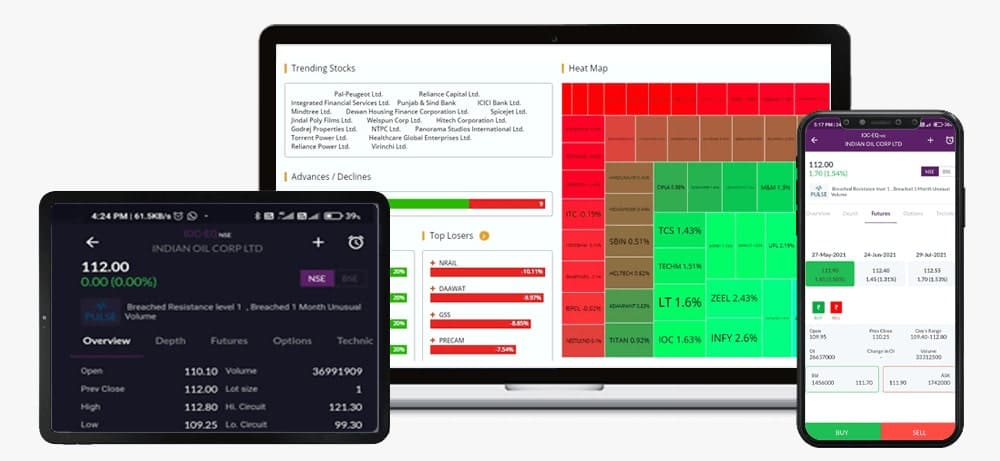

Algorithmic Trading Models Influencing Market Liquidity Trends

Financial markets have undergone profound structural change over the past two decades. One of the most important drivers of this transformation is the widespread adoption of algorithmic trading models. These systems use automated decision rules, statistical analysis, and high speed execution to place orders with minimal human intervention. As algorithmic trading has expanded across equities, fixed income markets, derivatives, and digital assets, it has become a major influence on market liquidity behavior.
Market liquidity refers to the ability to buy or sell financial instruments quickly without causing large price movements. Algorithmic trading models shape liquidity by affecting order flow, bid ask spreads, execution speed, and volatility patterns. Understanding these effects is essential for investors, regulators, and institutions navigating modern financial markets.
This article explores how algorithmic trading models influence liquidity dynamics and why their impact continues to grow.
Understanding Algorithmic Trading Models
Algorithmic trading models are computer driven systems designed to execute financial transactions according to predefined instructions. These instructions are based on market conditions, statistical signals, or optimization strategies.
Common algorithmic trading approaches include:
- execution optimization models
- market making strategies
- statistical arbitrage systems
- trend following algorithms
- liquidity detection strategies
These models allow traders to respond quickly to changing conditions while reducing manual decision delays.
Automation has become central to modern trading infrastructure.
Defining Market Liquidity in Modern Financial Systems
Liquidity describes how easily assets can be traded without affecting their price significantly. High liquidity environments allow transactions to occur smoothly and efficiently.
Liquidity is typically evaluated using indicators such as:
- bid ask spread width
- order book depth
- trade execution speed
- transaction volume availability
- price stability during trading activity
Algorithmic trading interacts with each of these indicators in measurable ways.
Liquidity quality influences market confidence and efficiency.
Rise of High Frequency Trading and Liquidity Provision
High frequency trading represents one of the most visible forms of algorithmic trading. These strategies rely on extremely fast execution speeds to capture small pricing opportunities across markets.
High frequency trading contributes to liquidity by:
- narrowing bid ask spreads
- increasing order book activity
- supporting continuous market participation
- improving execution efficiency
- reducing transaction timing delays
These contributions often enhance trading conditions during normal market environments.
However, liquidity behavior can change during periods of stress.
Market Making Algorithms Supporting Continuous Trading Activity
Market making algorithms play an important role in maintaining liquidity by continuously placing buy and sell orders in financial markets.
Algorithmic market makers support liquidity through:
- maintaining active quote availability
- reducing spread volatility
- supporting price discovery efficiency
- stabilizing short term trading conditions
- improving transaction accessibility for participants
Automated market making has become essential in many electronic trading venues.
These systems provide consistent order flow across trading sessions.
Execution Algorithms and Institutional Liquidity Management
Large institutional investors use execution algorithms to minimize market impact when placing substantial orders. These models divide large trades into smaller segments executed gradually over time.
Execution algorithms help institutions:
- reduce price slippage
- manage timing risk
- improve trade efficiency
- avoid signaling large position changes
- optimize order routing decisions
These tools improve liquidity utilization without disrupting market stability.
Institutional participation remains central to liquidity structure.
Statistical Arbitrage Models Influencing Price Alignment
Statistical arbitrage strategies identify pricing inefficiencies between related securities and execute trades designed to capture convergence opportunities.
These strategies influence liquidity by:
- increasing cross market trading activity
- improving price synchronization between instruments
- strengthening arbitrage efficiency
- supporting market integration across exchanges
- reducing persistent pricing gaps
Price alignment contributes to stronger market transparency.
Algorithmic arbitrage supports efficient asset valuation.
Impact of Algorithmic Trading on Bid Ask Spreads
Bid ask spreads represent the difference between the highest purchase price and lowest selling price available in the market. Narrow spreads indicate stronger liquidity conditions.
Algorithmic trading models often reduce spreads by:
- increasing quote frequency
- supporting continuous price competition
- improving order book depth
- enhancing execution efficiency
- encouraging participation from multiple market makers
Reduced spreads benefit both retail and institutional investors.
Efficient spreads improve transaction quality.
Liquidity Fragmentation Across Electronic Trading Venues
Modern financial markets operate across multiple exchanges and alternative trading platforms. Algorithmic trading models help navigate this fragmented environment by routing orders efficiently.
Smart order routing systems support liquidity by:
- identifying optimal execution venues
- comparing available quotes across platforms
- minimizing transaction delays
- improving cross venue price consistency
- supporting competition between exchanges
Fragmentation requires sophisticated execution coordination.
Algorithms enable seamless participation across distributed markets.
Liquidity Behavior During Market Volatility Events
Algorithmic trading models can behave differently during periods of heightened volatility. While they often support liquidity during stable conditions, some strategies reduce participation during uncertainty.
Liquidity effects during volatility include:
- temporary order book thinning
- widening bid ask spreads
- reduced quote stability
- increased execution uncertainty
- shifting participation patterns among market makers
Understanding these behaviors helps regulators and institutions manage risk more effectively.
Liquidity resilience remains a central market stability concern.
Role of Machine Learning in Adaptive Liquidity Strategies
Machine learning models allow algorithmic trading systems to adjust behavior dynamically based on market conditions. These adaptive systems analyze large datasets to improve execution accuracy.
Machine learning contributes to liquidity trends by:
- identifying hidden liquidity patterns
- predicting short term price movement signals
- optimizing execution timing decisions
- improving order placement efficiency
- enhancing cross asset correlation analysis
Adaptive models strengthen responsiveness across trading environments.
Artificial intelligence continues expanding algorithmic trading capabilities.
Influence on Retail Investor Market Access
Algorithmic trading models indirectly affect retail investors by shaping execution conditions and transaction costs.
Retail benefits include:
- improved order execution speed
- narrower spreads
- greater quote availability
- increased market transparency
- enhanced access through digital brokerage platforms
Technology driven infrastructure improvements support broader participation.
Retail market access continues expanding alongside automation adoption.
Regulatory Perspectives on Algorithmic Liquidity Effects
Financial regulators monitor algorithmic trading activity to ensure market stability and fairness. Oversight frameworks aim to balance innovation with risk management.
Regulatory priorities include:
- monitoring high speed trading behavior
- ensuring fair access to liquidity
- maintaining transparent execution conditions
- preventing market manipulation risks
- supporting resilience during volatility events
Regulation supports confidence in automated trading environments.
Balanced oversight strengthens long term market integrity.
Liquidity Implications for Fixed Income Markets
Algorithmic trading adoption in fixed income markets has increased significantly in recent years. These markets historically relied more heavily on dealer based liquidity models.
Automation supports fixed income liquidity through:
- electronic quote dissemination
- improved price discovery transparency
- expanded participation among investors
- enhanced cross platform execution coordination
- reduced transaction search costs
Technology continues reshaping liquidity structure beyond equity markets.
Fixed income modernization remains ongoing.
Cross Asset Liquidity Integration Through Algorithmic Models
Algorithmic trading systems increasingly operate across multiple asset classes simultaneously. Cross asset integration improves liquidity coordination between markets.
Examples include:
- equity derivative arbitrage coordination
- currency hedging execution alignment
- commodity futures correlation strategies
- bond equity pricing relationships
Integrated trading supports stronger market efficiency.
Cross asset models strengthen financial system connectivity.
Infrastructure Requirements Supporting Algorithmic Liquidity Provision
Algorithmic trading models depend on advanced infrastructure to operate effectively. Execution speed and reliability influence liquidity contribution quality.
Infrastructure components include:
- low latency data connections
- exchange matching engine access
- real time analytics platforms
- high performance computing systems
- secure network architecture
Investment in infrastructure supports liquidity stability.
Technology remains central to algorithmic trading effectiveness.
Ethical and Market Stability Considerations
Although algorithmic trading improves liquidity under many conditions, it also introduces new considerations related to fairness and resilience.
Important concerns include:
- unequal access to high speed infrastructure
- rapid order withdrawal during stress events
- systemic risk amplification potential
- transparency challenges in complex strategies
- dependency on automated decision systems
Addressing these concerns supports balanced market development.
Responsible innovation strengthens long term liquidity outcomes.
Future Trends in Algorithmic Trading and Liquidity Evolution
Algorithmic trading models will continue influencing liquidity trends as technology evolves and market participation expands.
Future developments may include:
- increased machine learning integration
- broader adoption in emerging markets
- enhanced real time risk monitoring systems
- expanded cross asset execution coordination
- improved regulatory technology oversight tools
Innovation will continue shaping how liquidity behaves across global financial systems.
Algorithmic infrastructure remains central to modern market architecture.
Conclusion
Algorithmic trading models have become essential contributors to modern market liquidity trends. By narrowing spreads, improving execution speed, supporting continuous quote availability, and strengthening cross market price alignment, automated systems enhance trading efficiency across asset classes. At the same time, these technologies introduce new complexities that require careful regulatory oversight and infrastructure investment.
As machine learning capabilities expand and electronic trading platforms continue evolving, algorithmic models will play an even larger role in shaping liquidity behavior. Understanding these dynamics helps investors and policymakers navigate the changing structure of financial markets while supporting stable and efficient trading environments.
Frequently Asked Questions
1. How do execution algorithms differ from market making algorithms
Execution algorithms focus on minimizing transaction impact for large orders, while market making algorithms provide continuous buy and sell quotes to support liquidity availability.
2. Do algorithmic trading models operate only in equity markets
No, algorithmic strategies are widely used across fixed income, foreign exchange, derivatives, and commodity markets.
3. Can algorithmic trading increase short term market volatility
Under certain conditions, rapid automated responses to market signals may contribute to temporary volatility spikes.
4. How do exchanges support algorithmic trading participation
Exchanges provide electronic order matching systems, real time market data feeds, and infrastructure designed for high speed execution access.
5. Are algorithmic trading strategies accessible to individual investors
Retail investors increasingly access simplified algorithmic tools through brokerage platforms that support automated order execution features.
6. How does latency affect liquidity provision quality
Lower latency improves execution speed and quote responsiveness, which strengthens liquidity availability across trading venues.
7. What role do liquidity providers play alongside algorithmic trading systems
Liquidity providers supply continuous order flow and maintain active markets, often using algorithmic tools to manage quoting strategies efficiently.