
How to Choose Clothes That Match Your Lifestyle
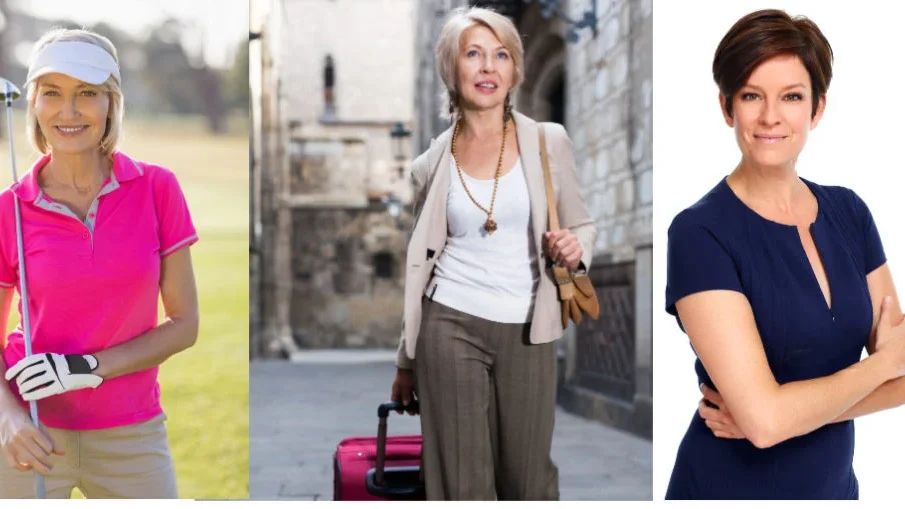
Clothing choices influence comfort, confidence, productivity, and how people present themselves in daily life. While fashion trends change quickly, selecting clothes that match your lifestyle creates a wardrobe that supports your routines rather than complicates them. The most effective wardrobes are not built around trends alone. They reflect how individuals spend their time, move through environments, and express personal identity.
Choosing clothes that align with your lifestyle improves practicality, reduces decision fatigue, and ensures that your wardrobe works consistently across professional, social, and personal settings. Instead of buying items that remain unused, lifestyle focused clothing choices create long term value and flexibility.
Understanding your daily needs is the foundation of building a wardrobe that supports both comfort and confidence.
Understanding What Lifestyle Based Dressing Means
Lifestyle based dressing refers to selecting clothing that supports the activities you regularly perform. Instead of choosing items only because they are popular or visually appealing, you select pieces that function effectively in your daily environment.
Lifestyle considerations include:
- work responsibilities
- commuting patterns
- climate conditions
- social activities
- physical activity levels
- travel frequency
When clothing reflects these factors, it becomes easier to maintain a wardrobe that feels natural and practical.
Matching clothing to lifestyle helps create consistency between appearance and routine.
Evaluating Your Daily Activities Before Building a Wardrobe
The first step in choosing appropriate clothing is understanding how your time is actually spent. Many people purchase clothing based on imagined situations rather than real schedules.
Consider questions such as:
- How many hours are spent at work each week
- Whether work environments require formal or casual clothing
- How often physical movement is involved during the day
- Whether travel is frequent
- How often social events occur
This evaluation helps identify which clothing categories deserve the most attention.
Practical wardrobes reflect real routines rather than occasional events.
Building a Wardrobe Around Work Requirements
Work environments strongly influence clothing choices. Professional expectations vary across industries, making it important to understand what is appropriate for your workplace.
Common workplace clothing categories include:
- business formal attire
- business casual clothing
- smart casual outfits
- creative workplace styles
- remote work comfort clothing
Choosing versatile pieces that meet workplace expectations ensures consistent appearance throughout the week.
Professional alignment improves confidence and efficiency during daily routines.
Choosing Comfortable Clothing for Active Lifestyles
Individuals with physically active schedules benefit from clothing that supports movement without restricting comfort. This applies to both exercise routines and physically demanding jobs.
Comfort focused wardrobe features may include:
- breathable fabrics
- flexible materials
- supportive footwear
- lightweight layering options
- moisture managing textiles
Comfort improves performance and reduces fatigue during busy days.
Functional clothing supports productivity.
Selecting Clothing That Matches Climate Conditions
Climate plays an important role in determining appropriate wardrobe choices. Selecting clothing that matches seasonal conditions improves comfort and practicality throughout the year.
Climate based wardrobe planning includes:
- lightweight fabrics for warm environments
- insulating layers for colder seasons
- water resistant outerwear for rainy conditions
- sun protection garments for high exposure areas
- adaptable layering for variable temperatures
Climate awareness helps avoid unnecessary clothing purchases.
Weather appropriate wardrobes increase daily comfort.
Creating Versatility Through Layering Strategies
Layering allows clothing to adapt to changing environments throughout the day. This strategy improves wardrobe flexibility without increasing clothing quantity significantly.
Effective layering pieces include:
- lightweight jackets
- neutral sweaters
- structured shirts
- transitional outerwear
- adaptable accessories
Layering makes it easier to move between indoor and outdoor environments comfortably.
Versatility strengthens wardrobe efficiency.
Choosing Colors That Support Everyday Use
Color selection affects how easily clothing pieces combine into complete outfits. Neutral color palettes support flexibility and reduce decision making time.
Common versatile colors include:
- navy
- gray
- black
- white
- beige
Accent colors can add variety while maintaining coordination across outfits.
Balanced color choices support consistent styling options.
Simple combinations improve daily efficiency.
Prioritizing Fabric Quality Over Quantity
Fabric quality influences durability, comfort, and appearance. Investing in well constructed garments reduces the need for frequent replacements.
High quality fabrics typically provide:
- improved breathability
- better shape retention
- increased longevity
- enhanced comfort during extended wear
- stronger resistance to repeated washing
Quality focused wardrobes support long term value.
Durable clothing reduces unnecessary spending.
Matching Clothing to Social Activities
Social routines influence clothing needs just as much as professional responsibilities. Choosing clothes that support regular social interactions improves confidence in different environments.
Consider whether your lifestyle includes:
- casual gatherings
- formal events
- outdoor activities
- travel experiences
- community participation
Selecting flexible clothing suitable for multiple situations improves wardrobe usefulness.
Balanced wardrobes support both work and leisure activities.
Supporting Travel Friendly Wardrobe Choices
Frequent travelers benefit from clothing that adapts easily across destinations. Travel friendly clothing reduces packing complexity and improves convenience.
Travel appropriate wardrobe features include:
- wrinkle resistant fabrics
- neutral color combinations
- lightweight layering pieces
- multi purpose footwear
- adaptable outerwear
Travel efficient wardrobes simplify preparation for trips.
Practical choices improve mobility.
Understanding the Role of Personal Style in Lifestyle Dressing
Lifestyle based wardrobes should still reflect individual personality. Personal style helps clothing feel authentic rather than purely functional.
Personal style considerations include:
- preferred silhouettes
- favorite color palettes
- comfort preferences
- cultural influences
- creative expression choices
Combining practicality with personal identity creates balanced wardrobes.
Confidence improves when clothing reflects individual preferences.
Avoiding Trend Focused Purchases That Do Not Fit Your Routine
Fashion trends change quickly and may not always support everyday needs. Choosing clothing based only on trends often leads to unused items.
Avoid unnecessary purchases by asking:
- Will this item work with existing outfits
- Can it be worn regularly
- Does it match workplace expectations
- Is it appropriate for climate conditions
Thoughtful decisions help maintain wardrobe efficiency.
Purposeful selection improves long term satisfaction.
Organizing Your Wardrobe for Daily Efficiency
Wardrobe organization supports faster outfit selection and improves awareness of available clothing options.
Effective organization strategies include:
- grouping clothing by category
- arranging items by color
- storing seasonal items separately
- rotating frequently used pieces forward
- reviewing unused clothing periodically
Organization reduces decision fatigue.
Clear structure supports consistent use.
Building a Capsule Wardrobe That Reflects Lifestyle Needs
Capsule wardrobes focus on smaller collections of versatile clothing items that combine easily into multiple outfits.
Capsule wardrobe benefits include:
- reduced clutter
- simplified outfit planning
- improved clothing coordination
- lower long term costs
- increased consistency across daily routines
Lifestyle aligned capsule wardrobes improve both comfort and efficiency.
Minimalism supports practicality.
Investing in Footwear That Supports Daily Movement
Footwear plays a critical role in lifestyle appropriate dressing. Choosing shoes that match daily activity levels improves comfort and posture support.
Footwear considerations include:
- walking distance during daily routines
- workplace dress expectations
- climate conditions
- travel frequency
- social activity types
Comfortable footwear supports long term physical well being.
Proper choices improve mobility throughout the day.
Reviewing and Updating Your Wardrobe Regularly
Lifestyle needs change over time. Periodic wardrobe reviews help ensure clothing continues supporting daily routines effectively.
Review strategies include:
- identifying unused clothing items
- replacing worn garments
- adjusting seasonal selections
- updating professional attire as needed
- refining personal style preferences
Regular updates maintain wardrobe relevance.
Adaptability supports long term usefulness.
Conclusion
Choosing clothes that match your lifestyle creates a wardrobe that supports comfort, confidence, and efficiency across daily activities. By understanding work requirements, climate conditions, movement patterns, and social routines, individuals can select clothing that remains useful rather than unused. Prioritizing quality fabrics, versatile colors, and adaptable layering strategies helps create wardrobes that function across multiple environments.
Lifestyle aligned clothing choices reduce decision fatigue, simplify travel preparation, and strengthen personal presentation. When wardrobes reflect real routines instead of temporary trends, they become valuable tools that support both practicality and self expression over time.
Thoughtful wardrobe planning ensures clothing works with your life rather than against it.
Frequently Asked Questions
1. How can someone identify whether their wardrobe matches their lifestyle
Review how often each item is worn during a typical month. Frequently unused clothing may not reflect daily routines effectively.
2. Is it necessary to replace an entire wardrobe to match lifestyle changes
No, gradual adjustments usually provide better results by replacing items strategically rather than all at once.
3. How many outfits should a lifestyle focused wardrobe include
The number varies depending on work requirements, climate, and social activity levels, but versatility is more important than quantity.
4. Can lifestyle based clothing still follow fashion trends
Yes, trends can be included when they align with daily routines and existing wardrobe combinations.
5. How does fabric choice influence daily comfort
Breathable and flexible fabrics improve temperature regulation and movement comfort throughout the day.
6. Should clothing choices change when working remotely
Remote work wardrobes often prioritize comfort while maintaining readiness for virtual meetings and occasional in person interactions.
7. How often should wardrobes be reviewed for lifestyle alignment
Seasonal reviews help ensure clothing continues supporting changing weather conditions and evolving routines effectively.