

Travel Safety Technologies Enhancing Global Mobility Confidence
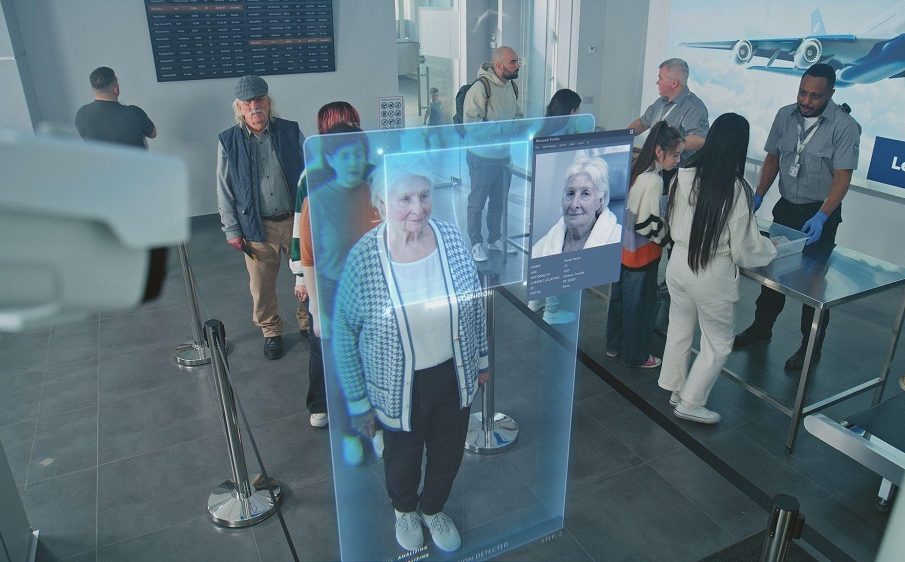
Global travel has become more accessible than ever before, connecting people across continents for business, education, tourism, and cultural exchange. Alongside this growth, safety expectations have also increased. Travelers today expect secure transportation systems, reliable navigation tools, transparent communication, and responsive emergency support wherever they go. Travel safety technologies are helping meet these expectations by improving protection across airports, airlines, public transportation networks, and digital travel platforms.
Advances in biometric verification, real time tracking systems, predictive analytics, and smart infrastructure are strengthening mobility confidence worldwide. These technologies support safer journeys while helping governments, airlines, and transportation providers manage risk more effectively.
Understanding how these innovations enhance travel safety helps explain their growing role in shaping modern mobility systems.
Understanding the Role of Technology in Travel Safety
Travel safety technologies include digital systems, sensors, analytics platforms, and communication tools designed to reduce risk during transportation. These solutions support both prevention and response strategies across the travel ecosystem.
Key goals of travel safety technologies include:
- improving identity verification accuracy
- supporting secure navigation
- enhancing infrastructure monitoring
- strengthening emergency response coordination
- protecting traveler data privacy
Technology enables travel providers to respond quickly to changing conditions while maintaining operational reliability.
Confidence in mobility systems increases when safety infrastructure is visible and effective.
Biometric Identification Strengthening Airport Security
Biometric identification systems have become central to modern airport security processes. These systems verify traveler identity using physical characteristics rather than traditional documentation alone.
Common biometric methods include:
- facial recognition verification
- fingerprint authentication
- iris scanning systems
- digital identity matching platforms
Biometric verification improves both security accuracy and passenger flow efficiency.
Airports using biometric systems often reduce wait times while maintaining strong identity protection standards.
Reliable identification systems support smoother travel experiences.
Smart Luggage Tracking Reducing Travel Uncertainty
Lost luggage has historically been a major concern for travelers. Smart tracking technologies now help passengers monitor baggage location throughout journeys.
Modern luggage tracking solutions provide:
- location updates through mobile applications
- integration with airline baggage systems
- alerts during transit stage changes
- recovery support assistance features
These capabilities improve transparency and reduce travel related stress.
Visibility strengthens traveler confidence during complex itineraries.
Aircraft Safety Monitoring Systems Supporting Aviation Reliability
Aviation safety has improved significantly due to advanced monitoring technologies embedded in modern aircraft systems. These systems collect real time performance data that helps pilots and maintenance teams identify potential issues early.
Aircraft safety technologies include:
- predictive maintenance sensors
- flight performance monitoring platforms
- weather awareness systems
- terrain proximity alert tools
- automated navigation assistance features
Continuous monitoring improves reliability across global flight networks.
Technology supports consistent aviation safety standards worldwide.
Real Time Navigation Applications Supporting Traveler Awareness
Mobile navigation applications help travelers move confidently through unfamiliar environments. These platforms provide updated route guidance, transportation schedules, and safety alerts.
Navigation tools support travel safety by offering:
- route optimization suggestions
- public transportation updates
- pedestrian safety guidance
- local condition notifications
- emergency service location assistance
Accessible navigation tools improve situational awareness in new locations.
Digital guidance strengthens independent mobility confidence.
Emergency Communication Platforms Enhancing Traveler Protection
Emergency communication technologies allow travelers to receive alerts quickly when conditions change unexpectedly. Governments and transportation agencies increasingly rely on these systems to distribute safety information.
Emergency communication systems provide:
- weather condition notifications
- transportation disruption alerts
- regional safety updates
- evacuation instructions when necessary
- embassy communication coordination support
Timely information helps travelers make informed decisions.
Prepared travelers respond more effectively during unexpected situations.
Role of Contactless Technology in Modern Travel Safety
Contactless technologies have become increasingly important across transportation environments. These systems reduce physical interaction while improving operational efficiency.
Contactless travel tools include:
- mobile boarding passes
- digital hotel check in platforms
- contactless payment systems
- automated ticket validation gates
- touch free identity verification systems
These technologies improve both hygiene conditions and processing speed.
Streamlined access supports smoother travel experiences.
Predictive Analytics Supporting Transportation Risk Management
Predictive analytics systems analyze large datasets to identify patterns that may indicate future safety risks. Transportation agencies use these insights to strengthen infrastructure planning and operational readiness.
Predictive analytics supports:
- traffic congestion forecasting
- weather disruption preparedness
- maintenance scheduling optimization
- passenger flow management
- accident prevention strategies
Forecasting improves proactive safety planning.
Data driven decision making strengthens infrastructure resilience.
Smart Surveillance Systems Supporting Public Transportation Safety
Public transportation networks increasingly rely on intelligent surveillance systems to monitor activity and respond quickly to incidents.
Smart surveillance technologies support:
- platform safety monitoring
- vehicle occupancy tracking
- emergency event detection
- infrastructure protection coordination
- response team communication support
Real time observation improves incident response speed.
Surveillance systems contribute to safer transit environments.
Cybersecurity Measures Protecting Digital Travel Systems
As travel systems become more connected, cybersecurity protections play a critical role in maintaining safety across transportation networks.
Cybersecurity technologies support:
- secure passenger data protection
- payment system reliability
- reservation system integrity
- communication platform stability
- airport operations infrastructure security
Strong cybersecurity frameworks protect both travelers and transportation providers.
Digital trust supports global mobility confidence.
Role of Smart Infrastructure in Road Travel Safety
Road transportation safety benefits significantly from intelligent infrastructure systems designed to monitor traffic conditions and support driver awareness.
Smart road safety technologies include:
- adaptive traffic signal coordination
- roadway condition monitoring sensors
- connected vehicle communication platforms
- incident detection systems
- digital highway signage updates
Smart infrastructure reduces accident risk while improving travel efficiency.
Technology supports safer road environments across regions.
Wearable Safety Technologies Supporting Travelers
Wearable devices increasingly support traveler safety by providing health monitoring and location awareness features during journeys.
Wearable safety tools may include:
- activity tracking devices
- emergency contact alert functions
- location sharing systems
- health monitoring sensors
- travel itinerary reminder tools
These devices support both personal awareness and emergency preparedness.
Wearable technologies strengthen traveler independence.
Role of Artificial Intelligence in Transportation Safety Systems
Artificial intelligence technologies enhance safety by analyzing complex data patterns faster than traditional monitoring systems.
AI supported safety improvements include:
- anomaly detection in passenger flow patterns
- predictive maintenance recommendations
- route optimization guidance
- weather related risk analysis
- infrastructure performance monitoring
AI helps transportation providers respond quickly to emerging risks.
Intelligent systems strengthen global mobility infrastructure reliability.
Digital Health Verification Supporting International Travel Confidence
Health verification technologies have become increasingly important in international travel coordination. Digital systems help travelers confirm compliance with destination entry requirements efficiently.
Health verification tools support:
- vaccination documentation storage
- testing record management
- travel clearance verification processes
- entry requirement updates
- border processing coordination
Digital verification systems improve transparency during international travel planning.
Reliable documentation supports smoother border transitions.
Future Innovations in Travel Safety Technologies
Travel safety technologies continue evolving as transportation systems integrate advanced connectivity and analytics capabilities.
Future developments may include:
- expanded biometric identity networks across airports
- improved autonomous vehicle safety integration
- real time translation support for emergency communication
- enhanced satellite navigation accuracy
- intelligent luggage routing systems
Innovation continues strengthening traveler confidence worldwide.
Emerging technologies support safer mobility environments across regions.
Conclusion
Travel safety technologies are transforming how individuals move across global transportation networks by improving identity verification, infrastructure monitoring, navigation support, and emergency communication systems. From biometric airport processing to predictive analytics based traffic coordination, digital tools help travelers navigate unfamiliar environments with greater confidence and awareness.
As transportation systems continue integrating advanced connectivity and artificial intelligence capabilities, safety technologies will remain central to maintaining reliable global mobility. Travelers benefit from improved transparency, faster communication, and stronger infrastructure coordination, all of which contribute to more secure and predictable travel experiences.
Confidence in mobility systems grows when safety technologies operate effectively across every stage of the journey.
Frequently Asked Questions
1. How do travel safety technologies improve airport passenger flow efficiency
Biometric verification and automated screening systems reduce manual processing time while maintaining strong identity confirmation accuracy.
2. Are navigation applications reliable in remote travel environments
Many navigation platforms support offline maps that allow travelers to maintain route awareness even without continuous internet access.
3. How do airlines monitor aircraft safety during long flights
Aircraft systems continuously transmit performance data that maintenance teams analyze to ensure operational reliability throughout flights.
4. Can wearable devices assist travelers during medical emergencies abroad
Some wearable devices allow location sharing and emergency contact notifications that help responders identify traveler needs quickly.
5. What role do transportation control centers play in travel safety
Control centers monitor infrastructure conditions and coordinate responses to disruptions across transportation networks.
6. How does smart infrastructure support pedestrian safety in cities
Adaptive traffic signals and digital signage systems help regulate crossings and provide guidance during high traffic conditions.
7. Are travel safety technologies equally available across all countries
Availability varies depending on infrastructure investment levels, but adoption continues expanding globally as mobility systems modernize.