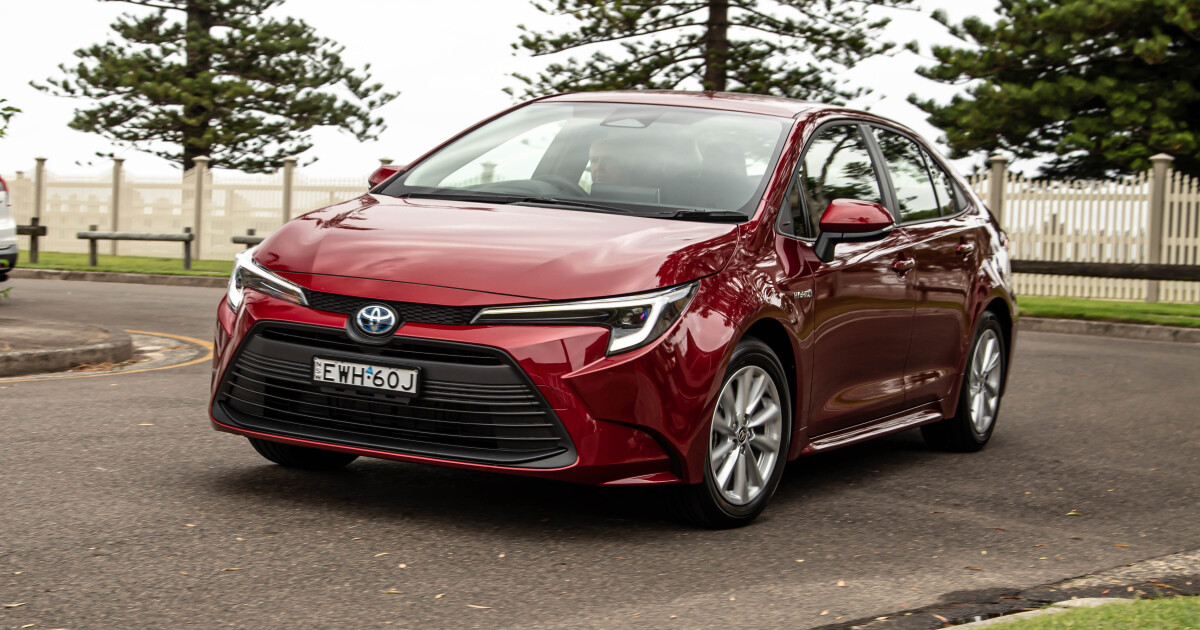

Lifecycle Emissions: EVs vs Hybrid Powertrains

Reducing transportation emissions has become a central priority in global climate strategies. As automakers transition toward electrified vehicles, consumers and policymakers increasingly ask a critical question: which technology produces fewer emissions over its full lifecycle, electric vehicles or hybrid powertrains.
Lifecycle emissions include all greenhouse gases generated during vehicle production, operation, maintenance, and disposal. Evaluating emissions across these stages provides a more accurate understanding than comparing tailpipe emissions alone.
Electric vehicles and hybrid vehicles both reduce environmental impact compared with conventional gasoline vehicles. However, their lifecycle emissions differ depending on energy sources, manufacturing processes, driving patterns, and battery technology.
Understanding these differences helps drivers make informed decisions about sustainable transportation options.
What Lifecycle Emissions Mean in Vehicle Assessment
Lifecycle emissions refer to the total greenhouse gases produced during a vehicle’s entire existence. This includes emissions generated before the vehicle reaches the road and after it leaves service.
Major lifecycle stages include:
- raw material extraction
- vehicle manufacturing
- battery production
- fuel or electricity generation
- vehicle operation
- maintenance and replacement parts
- recycling or disposal
Considering each stage provides a realistic comparison between electric vehicles and hybrid powertrains.
Tailpipe emissions represent only one part of the environmental picture.
Overview of Electric Vehicles and Hybrid Powertrains
Electric vehicles operate using battery powered electric motors without internal combustion engines. They rely entirely on electricity stored in large battery packs.
Hybrid vehicles combine a gasoline engine with an electric motor. Some hybrids recharge their batteries during driving, while plug in hybrids allow external charging from electrical sources.
Each system reduces fuel consumption compared with traditional gasoline vehicles, but their emissions profiles differ significantly across lifecycle stages.
Understanding these differences requires examining both production and operational impacts.
Manufacturing Emissions Differences Between EVs and Hybrids
Manufacturing represents one of the most important lifecycle emission stages. Electric vehicles typically produce higher emissions during production compared with hybrids due to battery manufacturing requirements.
Battery production involves:
- lithium extraction
- nickel processing
- cobalt refining
- aluminum component manufacturing
- energy intensive cell assembly processes
These activities increase initial emissions associated with electric vehicle production.
Hybrid vehicles also require batteries, but their battery packs are smaller and therefore produce fewer manufacturing emissions.
As battery technology improves, production emissions for electric vehicles continue declining.
Battery Size and Material Impact on Lifecycle Emissions
Battery size plays a major role in determining manufacturing emissions.
Electric vehicle batteries are significantly larger than hybrid batteries, which increases material demand and processing energy requirements.
Key factors influencing emissions include:
- battery chemistry selection
- mining practices
- manufacturing facility energy sources
- transportation logistics for raw materials
- recycling system availability
Advances in battery recycling and cleaner manufacturing energy are expected to reduce these impacts over time.
Battery innovation remains central to improving lifecycle performance.
Operational Emissions Comparison Between EVs and Hybrids
Operational emissions represent the largest lifecycle difference between electric vehicles and hybrid vehicles.
Electric vehicles produce zero tailpipe emissions during driving. However, their overall operational emissions depend on how electricity is generated.
Electric vehicle operational emissions vary based on:
- renewable energy availability
- grid carbon intensity
- charging location
- charging time patterns
- regional energy infrastructure
In regions with clean electricity generation, electric vehicles produce significantly lower operational emissions than hybrids.
Hybrid vehicles continue using gasoline engines, which generate ongoing emissions during operation.
Although hybrids improve fuel efficiency compared with traditional vehicles, they still produce carbon dioxide from combustion.
Role of Electricity Generation Mix in EV Lifecycle Emissions
Electric vehicle environmental performance depends heavily on the electricity used for charging.
Charging with renewable energy sources such as solar or wind significantly reduces lifecycle emissions.
Charging with fossil fuel generated electricity increases indirect emissions.
Electric grid improvements play a major role in enhancing electric vehicle sustainability.
As electricity systems transition toward cleaner generation, electric vehicles become increasingly environmentally beneficial over time.
Hybrid vehicles remain tied to gasoline consumption regardless of grid changes.
Plug In Hybrid Vehicles and Their Unique Emissions Profile
Plug in hybrid vehicles combine characteristics of both electric vehicles and traditional hybrids.
Their lifecycle emissions depend heavily on driver behavior.
If drivers charge regularly and operate primarily in electric mode:
- emissions decrease significantly
- fuel consumption drops
- operational efficiency improves
If drivers rely mainly on gasoline engines:
- emissions approach conventional hybrid levels
- electric benefits become limited
Driver charging habits strongly influence plug in hybrid environmental performance.
Usage patterns matter as much as technology design.
Maintenance Related Emissions Across Vehicle Lifecycles
Maintenance contributes modestly to total lifecycle emissions but still influences overall comparisons.
Electric vehicles typically require fewer maintenance related components than hybrids.
Reduced maintenance emissions result from:
- absence of engine oil changes
- fewer moving engine parts
- reduced brake wear due to regenerative braking
- simplified transmission systems
Hybrid vehicles maintain internal combustion engines, which increases maintenance related emissions compared with electric vehicles.
Maintenance advantages support long term environmental benefits for electric vehicles.
Battery Longevity and Replacement Impact
Battery lifespan significantly influences lifecycle emissions comparisons between electric vehicles and hybrid powertrains.
Long lasting batteries reduce the need for replacement manufacturing emissions.
Modern electric vehicle batteries often last:
- eight to fifteen years depending on usage conditions
- hundreds of thousands of driving miles
- longer when supported by temperature management systems
Hybrid batteries are smaller and less expensive to replace but still contribute additional lifecycle emissions if replacement becomes necessary.
Battery durability improvements continue strengthening electric vehicle environmental performance.
Recycling and End of Life Vehicle Emissions
End of life vehicle processing affects lifecycle sustainability outcomes.
Electric vehicle recycling focuses heavily on battery material recovery.
Important recycling considerations include:
- lithium recovery systems
- nickel reuse processes
- cobalt recycling technologies
- aluminum component reuse
- rare earth material extraction improvements
Hybrid vehicles also require battery recycling, though at smaller scale.
Improved recycling infrastructure supports lower lifecycle emissions for both vehicle types.
Circular material systems are becoming increasingly important.
Regional Variations in Lifecycle Emissions Outcomes
Lifecycle emission comparisons between electric vehicles and hybrid vehicles vary significantly across regions.
Important regional influences include:
- electricity generation mix
- transportation infrastructure
- battery manufacturing location
- recycling capacity availability
- average driving distance patterns
Electric vehicles often outperform hybrids environmentally in regions with cleaner electricity systems.
In regions heavily dependent on coal based electricity, hybrid vehicles may initially perform closer to electric vehicles in lifecycle emissions comparisons.
As energy systems evolve, these differences continue changing.
Urban Driving Conditions Favor Electric Vehicles
Driving environment affects lifecycle emissions performance.
Electric vehicles perform especially well in urban conditions because:
- regenerative braking improves efficiency
- stop and go driving increases fuel savings
- lower average speeds support battery performance
- charging infrastructure availability is typically higher
Hybrid vehicles also benefit from urban efficiency improvements but still produce combustion emissions.
Electric vehicles gain greater environmental advantages in city driving environments.
Highway Driving Conditions and Hybrid Efficiency
Hybrid vehicles often perform efficiently during highway driving compared with traditional gasoline vehicles.
However, electric vehicles remain competitive depending on charging access and electricity sources.
Highway performance differences depend on:
- vehicle aerodynamics
- battery size
- engine efficiency
- driving speed consistency
- charging availability along routes
Operational context influences lifecycle emissions comparisons between technologies.
Both systems offer improvements compared with conventional vehicles.
Role of Renewable Energy in Reducing EV Lifecycle Emissions
Renewable energy integration strengthens electric vehicle sustainability performance significantly.
Charging electric vehicles using renewable electricity supports:
- lower operational emissions
- reduced reliance on fossil fuels
- improved long term environmental outcomes
- stronger climate policy alignment
Renewable charging infrastructure expansion continues improving electric vehicle lifecycle advantages over hybrid vehicles.
Energy system transformation plays a critical role in transportation sustainability.
Future Battery Innovation and Lifecycle Emission Reductions
Battery technology improvements continue reducing lifecycle emissions associated with electric vehicles.
Emerging developments include:
- lower cobalt battery chemistries
- improved energy density designs
- reduced manufacturing energy intensity
- advanced recycling technologies
- solid state battery research
These innovations support long term environmental benefits for electric vehicles.
Hybrid vehicles also benefit from battery improvements but to a smaller extent due to smaller battery sizes.
Technology progress continues narrowing production emission gaps.
Consumer Decision Factors Beyond Lifecycle Emissions
While lifecycle emissions provide valuable insight, consumers often consider additional factors when choosing between electric vehicles and hybrid powertrains.
Important considerations include:
- charging infrastructure availability
- driving distance requirements
- vehicle purchase cost
- maintenance expectations
- local electricity generation mix
Environmental performance remains one of several important decision factors.
Balanced evaluation supports informed vehicle selection.
Conclusion
Lifecycle emissions comparisons between electric vehicles and hybrid powertrains highlight the complexity of evaluating transportation sustainability. Electric vehicles typically produce higher emissions during manufacturing due to battery production but generate significantly lower emissions during operation, especially when charged using low carbon electricity.
Hybrid vehicles offer meaningful improvements over conventional gasoline vehicles and provide flexibility in regions where charging infrastructure remains limited. However, their continued reliance on combustion engines results in ongoing operational emissions that electric vehicles avoid entirely.
As battery manufacturing becomes cleaner and electricity systems transition toward renewable energy sources, electric vehicles are expected to deliver increasingly strong lifecycle emission advantages over hybrid powertrains. Understanding these trends helps consumers and policymakers make informed decisions about the future of sustainable mobility.
Frequently Asked Questions
1. How long does it take for an electric vehicle to offset its higher manufacturing emissions
Electric vehicles typically offset higher production emissions within one to three years of driving depending on electricity generation sources and driving distance.
2. Do hybrid vehicles always produce fewer emissions than gasoline vehicles
Most hybrid vehicles produce lower emissions than traditional gasoline vehicles because they improve fuel efficiency and reduce engine workload.
3. Are electric vehicles environmentally beneficial in regions with coal based electricity
Electric vehicles still reduce some emissions in coal dependent regions, but their environmental advantage becomes stronger as electricity generation becomes cleaner.
4. Does regenerative braking reduce lifecycle emissions significantly
Regenerative braking improves energy efficiency during operation and reduces brake component wear, which contributes modestly to lifecycle emission reductions.
5. Can battery recycling fully eliminate manufacturing emissions
Battery recycling reduces the need for new raw material extraction but does not completely eliminate manufacturing related emissions.
6. Do colder climates affect electric vehicle lifecycle emissions
Cold temperatures can reduce battery efficiency temporarily, which may increase electricity consumption slightly during winter driving.
7. Are hybrid vehicles expected to remain part of long term emission reduction strategies
Hybrid vehicles are expected to remain important transitional technologies while charging infrastructure and renewable electricity systems continue expanding globally.