
How to Get Two-Wheeler Insurance for a Second-Hand Bike?
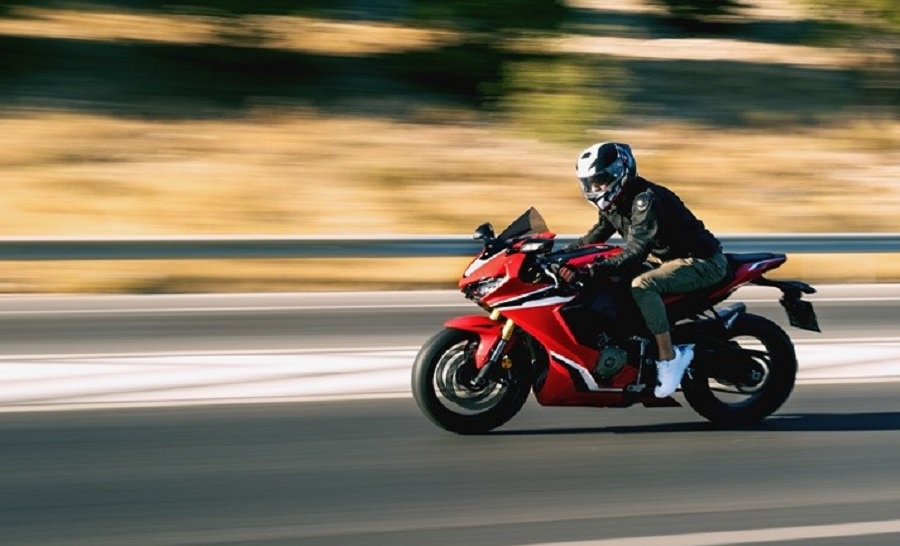
Purchasing a second-hand bike is a smart decision for many, offering affordability and reliability. However, insuring your pre-owned two-wheeler with an appropriate insurance policy for bike is equally important to ensure financial and legal protection. This guide will help you understand how to insure second-hand bikes efficiently.
Types of Two-Wheeler Insurance for Second-Hand Bikes
Bike insurance, whether for a new or used two-wheeler, offers third-party, comprehensive, and standalone own-damage coverage. It protects against accident-related damages and liabilities.
- Third-party Insurance: The third-party bike insurance covers the third-party damages and injuries caused by your bike. It does not cover any damages incurred to your bike.
- Own-Damage Insurance: It covers the damages and financial losses incurred to the insured bike. It does not cover your third-party liabilities.
- Comprehensive Insurance: It covers financial losses incurred due to third-party as well as personal damages.
Insurers like Tata AIG let you calculate premiums and compare policies. For used bikes, you can transfer existing insurance or purchase a new policy, including standalone own-damage insurance coverage for added protection.
Steps to Get Insurance for Second-Hand Bike
1. Check the Existing Insurance Policy for the Bike
If the seller already has a valid insurance policy, initiate the transfer process. This ensures uninterrupted coverage and compliance with legal requirements.
2. Evaluate Your Coverage Needs
Decide whether you want basic third-party bike insurance or a comprehensive policy based on the bike’s value and your budget.
3. Compare Insurance Providers
Use online tools to compare different plans. Look for the best mix of premium cost, coverage benefits, and claim settlement ratio.
4. Provide Vehicle Details
Share information like the bike’s registration number, make, model, year of manufacture, and engine capacity with the insurer.
5. Submit Necessary Documents
Once you have selected an insurer, provide the required documents to process the policy.
6. Pay the Premium
Complete the payment process and secure your bike insurance policy.
Key Documents Required for Buying Second-hand Two-Wheeler Insurance
To get second-hand two-wheeler insurance, you will need the following documents:
- Original registration certificate (RC) of the bike.
- Previous insurance policy details (if applicable).
- Proof of sale or ownership transfer.
- Pollution under control (PUC) certificate.
- Identity and address proof.
Having these documents handy can expedite the insurance process.
Factors that Affect Used Bike Insurance Premiums
Several elements influence the cost of used bike insurance:
1. Bike’s Age and Condition
Older bikes typically have lower Insured Declared Value (IDV), reducing premium costs.
2. Type of Insurance Policy
Comprehensive policies are more expensive than third-party bike insurance.
3. Riding History
Your past claims and riding records impact your premium. Fewer claims mean eligibility for a No Claim Bonus (NCB).
4. Add-ons
Features like zero depreciation, roadside assistance, or personal accident cover increase the premium.
Buying Insurance for Second-hand Bike: Common Challenges and How to Overcome Them
1. Transferring the Insurance Policy
Many buyers overlook the need to transfer the policy when buying a used bike. Not transferring the policy means the coverage remains in the seller’s name, creating legal issues.
Solution:
Ensure that the seller provides all necessary documents and initiates the transfer process immediately.
2. Finding the Right Policy for Older Bikes
Insurers may hesitate to offer comprehensive coverage for bikes over a certain age.
Solution:
Opt for third-party bike insurance, which is easier to obtain for older vehicles.
3. Mismatch in Ownership Details
A mismatch between the RC and insurance policy details can result in claim rejections.
Solution:
Double-check that all ownership information matches accurately during the transfer process.
Conclusion
Getting bike insurance second-hand insurance is not just a legal obligation but also a crucial step to safeguard your finances. Whether you opt for third-party bike insurance or a comprehensive plan, understanding the process and addressing potential challenges ensures a hassle-free experience.
By comparing providers, maintaining accurate documents, and selecting appropriate coverage, you can enjoy peace of mind while riding your pre-owned bike.
Frequently Asked Questions
1. What do you do if a bike is 15 years old?
- Re-Registration: If your bike is 15 years old, you need to check its registration status. In India, vehicle registrations are typically valid for 15 years, after which renewal is required. Visit your local RTO to renew the registration.
- Fitness Certificate: Obtain a fitness certificate from the RTO to ensure your bike meets safety and emission standards.
- Insurance Renewal: Update your two-wheeler insurance policy to remain covered against accidents or damages.
- Sell or Scrap: If the bike is no longer roadworthy, consider selling it to a buyer or scrapping it through authorised centres.
2. Can I purchase insurance if my bike is 10 years old?
If your bike is 10 years old, you can still get two-wheeler insurance, either third-party or comprehensive. Older bikes often have a lower Insured Declared Value (IDV), making premiums more affordable.
Ensure the bike is roadworthy and has registration and pollution control certificates ready for a hassle-free process. Compare policies to find the best coverage for your bike.